
Understanding Link Aggregation in Modern Business Networks
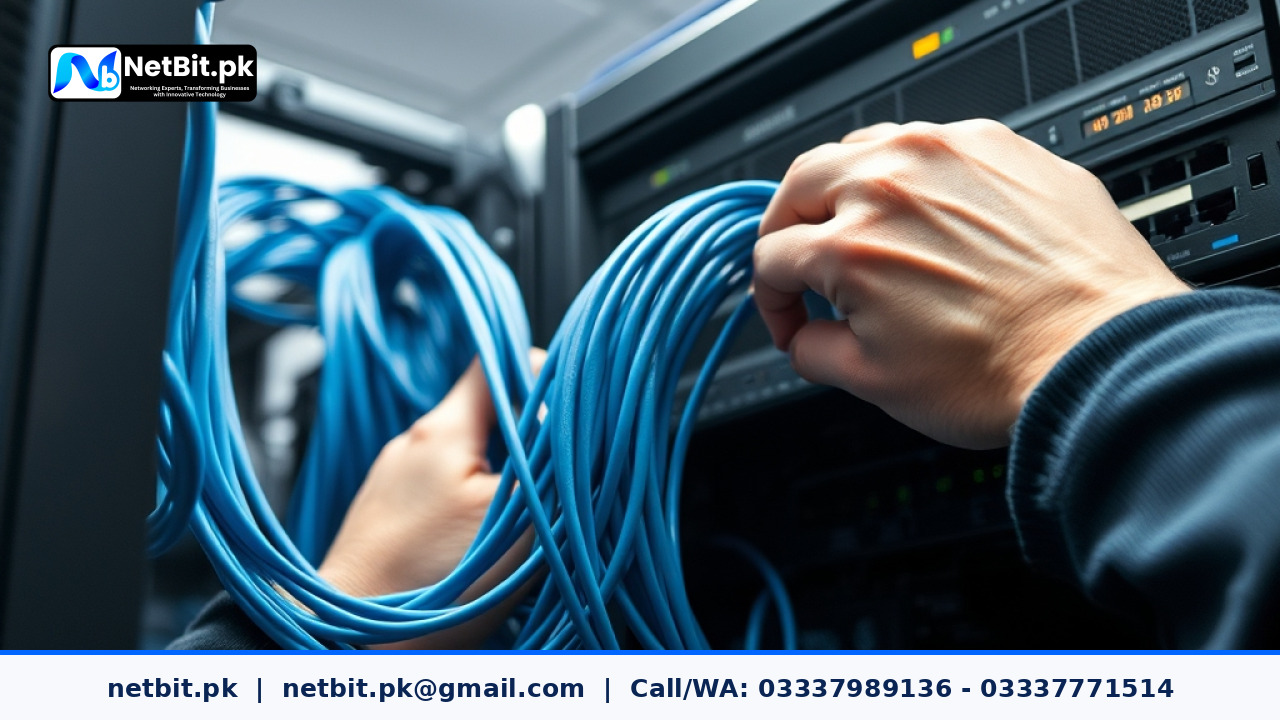
For growing businesses in Pakistan, a stable and reliable network infrastructure is the backbone of daily operations. Whether your team relies on cloud-based accounting software, local file servers, or high-definition IP security cameras, bandwidth bottlenecks can significantly slow down productivity. When a single network cable or switch port reaches its maximum capacity, performance drops. This is where link aggregation comes in as a practical, cost-effective solution.
Link aggregation, often implemented using the IEEE 802.3ad standard known as Link Aggregation Control Protocol (LACP), allows network administrators to combine multiple physical Ethernet links between switches or servers into a single logical channel. Instead of relying on a single Cat6 cable that might bottleneck data flow between core switches, you can bundle two, four, or more links together. This not only multiplies your available bandwidth but also provides automatic redundancy. If one cable fails, traffic instantly reroutes through the remaining active links without dropping user connections.
Benefits of Implementing Link Aggregation for Pakistani Offices
Deploying link aggregation brings several distinct advantages to small and medium-sized enterprises (SMEs) looking to optimize their local area networks (LAN):
- Increased Throughput: By combining multiple links, you increase the overall data capacity between heavy-traffic nodes, such as connecting an access switch to a core server or main router.
- High Availability and Redundancy: Network downtime hurts business revenue. LACP ensures that hardware failures on a single port or cable do not cause a complete network blackout.
- Cost-Effective Scaling: Rather than purchasing expensive 10Gbps networking hardware immediately, businesses can leverage existing Gigabit switches by bonding multiple 1Gbps ports together.
- Balanced Traffic Load: LACP algorithms distribute network traffic across all active links in the bundle, preventing any single line from becoming overloaded.
- Verify Hardware Compatibility: Ensure that both network devices (managed switches or servers) support IEEE 802.3ad or LACP. Unmanaged switches generally do not support link aggregation.
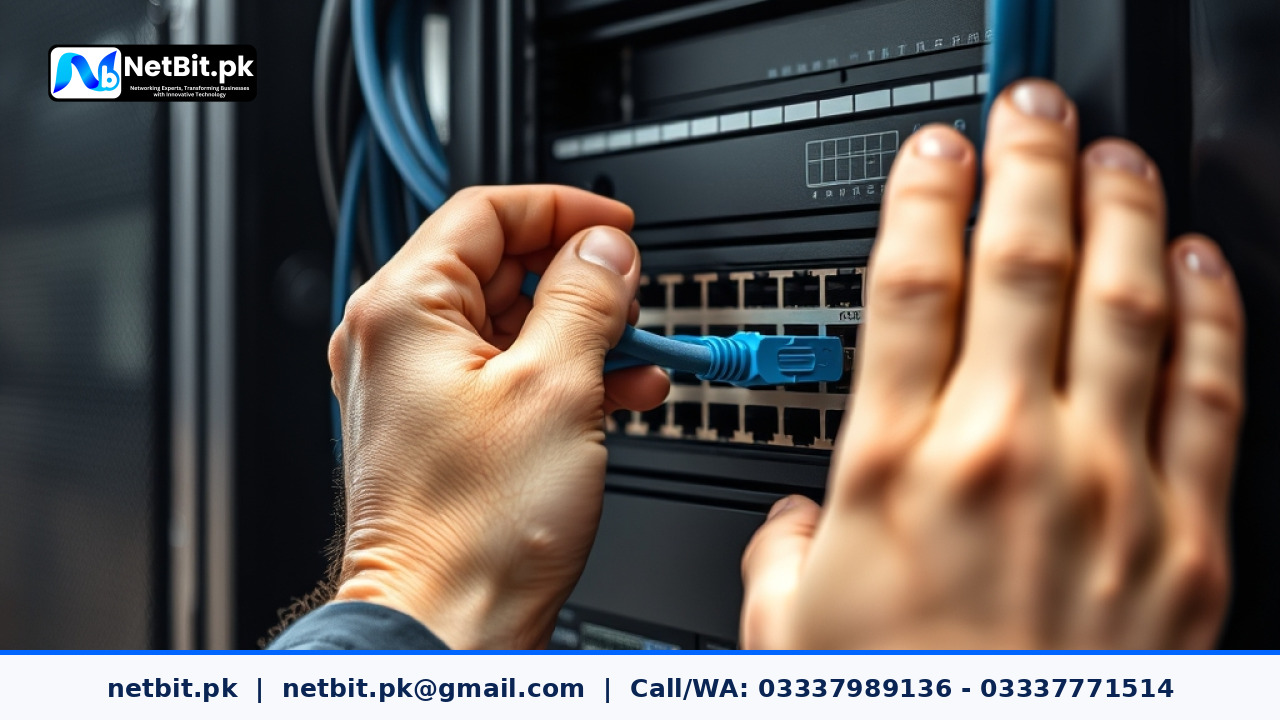
- Plan Port Allocation: Select adjacent physical ports on your switches for easier identification and management. For example, use ports 23 and 24 on a 24-port switch.
- Create the Port Channel (LAG): Access the command line interface (CLI) or web-based management GUI of your switch. Create a Link Aggregation Group (LAG) interface and assign your chosen physical ports to it.
- Configure LACP Mode: Set the LACP mode to
activeon one device andactiveorpassiveon the connecting peer device to establish a dynamic link negotiation. - Configure Trunking or Access Parameters: Ensure that VLAN tagging and spanning tree settings match across the aggregated channel just as they would on a standard port.
- Test and Monitor: Verify the operational status of the channel using diagnostic commands. Disconnect one physical cable during non-business hours to test failover behavior and ensure traffic continues flowing uninterrupted.
- Always use cables of the exact same category and length where possible to ensure balanced signal propagation.
- Match port speeds and duplex settings identically on both ends of the aggregated link.
- Document your port channel assignments clearly in your network topology maps to assist future IT maintenance.
Steps to Properly Configure Link Aggregation
Configuring LACP requires careful planning and compatibility between your networking hardware. Follow these essential steps to set up link aggregation successfully in your office environment:
Best Practices for Reliable Network Bundling
To avoid common misconfigurations, keep these practical guidelines in mind when setting up link aggregation:
Professional Networking and IT Solutions by NetBit
Building a robust office network requires precision, the right hardware, and expert execution. At netbit, we specialize in comprehensive IT infrastructure services for businesses across Pakistan. Based in Khuzdar, netbit tech delivers reliable networking solutions, including structured cabling with Cat6 and fiber patch cords, switch configuration, firewall setup, wireless point-to-point links using LiteBeam and PowerBeam, and complete IT maintenance.
Whether you are setting up a brand-new office or upgrading your existing network infrastructure to handle heavier workloads, our experienced team at netbit software house is here to help. Contact netbit khuzdar today to discuss your business networking requirements and secure a dependable digital foundation for your enterprise.


Reader comments.
Share your question, suggestion or experience related to this article.
No comments yet
There are no approved comments on this article yet. You can be the first person to leave one.