
Understanding Recent Industry Shifts in Software Development
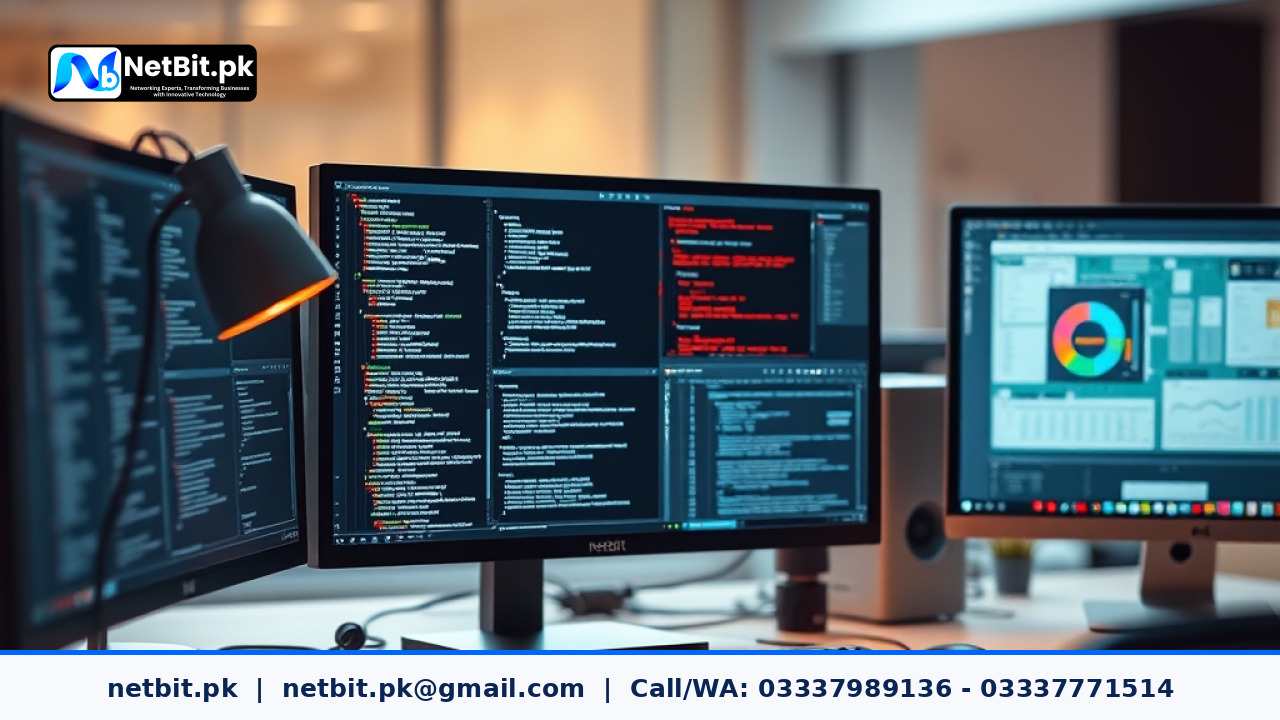
The software development landscape is constantly shifting as developers look for faster, cleaner, and more efficient ways to build applications. Recently, many teams across the industry have started moving away from heavy, monolithic frameworks in favor of lightweight, modular alternatives. This shift is driven by the need for faster load times, easier maintenance, and better resource management on both local servers and client devices.
For businesses and technology users, these changes mean that modern software applications are becoming more responsive and reliable. When development teams use streamlined tools, they spend less time managing complex dependencies and more time building useful features that directly serve their users.
Why Lightweight Frameworks Are Gaining Popularity
Heavy software frameworks often come packed with pre-built modules, libraries, and tools that a specific project might never use. While these tools can speed up the initial setup phase, they often introduce unnecessary bloat, slower execution speeds, and complex security update routines.
Lightweight frameworks, on the other hand, give developers a minimal core foundation. Teams can then add only the specific libraries and packages they need for their project. This modular approach offers several practical benefits:
- Faster Performance: Smaller codebases load quicker and use less memory on servers and user devices.
- Easier Maintenance: With fewer unused dependencies, updating application components becomes straightforward and less prone to breaking changes.
- Better Security Control: A smaller attack surface makes it easier for developers to audit code and apply security patches promptly.
- Improved Scalability: Lightweight applications can be scaled up or distributed across cloud environments much more smoothly.
Adapting to Modern Software Development Standards
Keeping up with industry developments is essential for any growing organization that relies on digital tools. Whether you are building an internal management system, a customer portal, or a mobile-ready web app, choosing the right architecture from day one prevents costly rewrites later.
At NetBit tech and software house, our development team continuously monitors these industry shifts to ensure our clients receive robust, high-performing digital solutions. We focus on clean coding practices, modern frameworks, and sustainable architectures that keep your business operations running without interruption.
Ready to Modernize Your Business Software Solutions?
If your current business applications are feeling slow, difficult to update, or misaligned with modern technology standards, now is the time to upgrade. The expert team at NetBit tech and software house is ready to help you plan, build, and maintain custom software tailored to your exact operational needs. Contact us today to discuss your next project and become a valued client of NetBit tech and software house.


Reader comments.
Share your question, suggestion or experience related to this article.
No comments yet
There are no approved comments on this article yet. You can be the first person to leave one.